
Whoa, this caught me off guard! The browser wallet landscape keeps getting noisier every single quarter. Rabby stands out by focusing on multi-chain UX and safety primitives. Initially I thought it was another extension with bells and whistles, but after tinkering for a few weeks and comparing it to my old setups, I noticed the emphasis on transaction clarity and contract allowlisting is genuinely different.
Really? It’s worth digging in. Multi-chain support isn’t just a buzzword anymore for active DeFi users. It means juggling networks, tokens, approvals, and signer contexts with safety in mind. My instinct said that a single-extension solution would be riskier, but actually the right design trade-offs—clear permission prompts, simulation of calls, and a built-in allowlist—can reduce attack surface if you use them correctly. Something felt off about many wallets I tested, where they show pretty interfaces but hide crucial details about which contracts you approved and for how long, and that opacity is what Rabby tries to fix with clearer UI and better defaults.
Hmm… I was skeptical at first. I’ll be honest, I’m biased toward security-first tools and neat UX. After importing accounts and linking a hardware key I ran through trades and approvals. There were moments where somethin’ felt oddly reassuring — small things like explicit spender names, a transaction simulator that showed token flow, and the ability to batch or revoke approvals without hunting through obscure menus—so my confidence grew. On the flip side I’m not 100% sure it’s perfect; there are edge cases with chain forks and exotic layer-2s where you still need manual vigilance and extra checks before confirming big moves.
Okay, so check this out— Start with a fresh profile and a secure seed backup. Pin the extension, lock it with a strong password, and integrate a hardware wallet. Actually, wait—let me rephrase that: don’t skip the hardware step if you hold meaningful value, and make sure to use allowlists, simulation settings, and explicit permit controls so you avoid the standard approve-all traps that have eaten so many wallets’ balances, because that’s very very important. On the browser side, reduce extension clutter, audit your active connections often, and consider isolating high-risk operations in a separate browser profile or ephemeral container to limit cross-extension exposure.
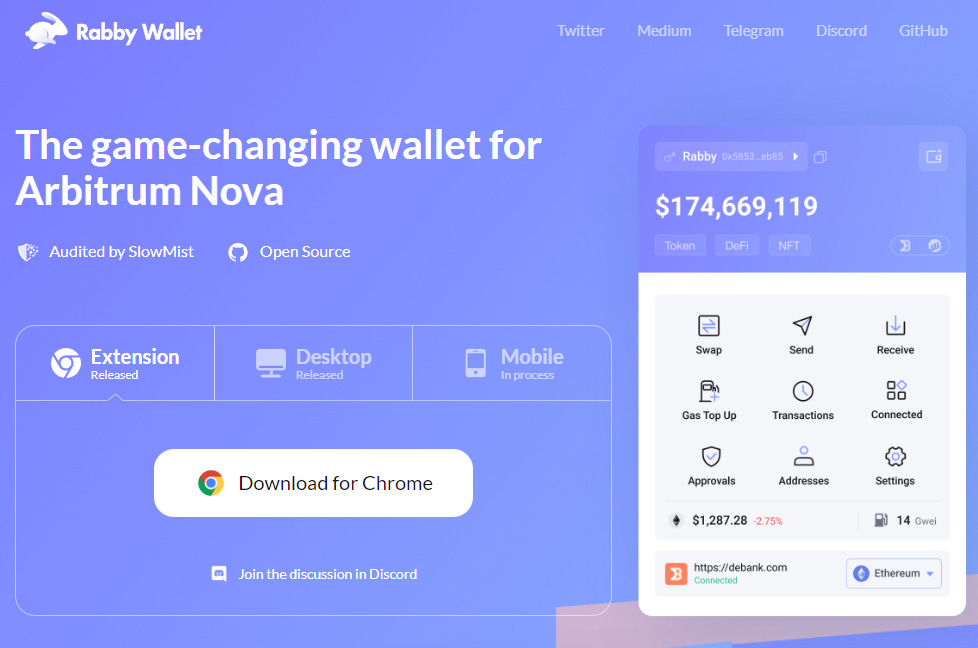
Wow, the features are neat. Rabby highlights transaction breakdowns and origin details in a compact layout. It supports many EVM chains and some layer-2s which helps active traders. If you want to try it, the straightforward path is to get the extension from the team’s official distribution and then import or create a new account, though be mindful to verify any download link and checksum against the project’s canonical channels. One small gripe: sometimes token balances across chains update slower than I expect, which can lead to momentary confusion when you’re swapping or bridging quickly.
Security and Practical Advice
Here’s what bugs me about approvals. Approvals are the main attack vector for many DeFi losses. Rabby offers allowlists, granular spending limits, and simulation to help mitigate those risks. If you want to experiment safely, grab the extension via a vetted source like this rabby wallet download and pair it with a hardware signer, then practice with small amounts on testnets or low-stakes environments before you commit larger balances. On one hand that reduces risk, though actually you still need to watch for social-engineering attacks where a malicious dApp lures you into approving a seemingly benign action that carries hidden consequences.
Seriously, don’t get lazy. Privacy is imperfect in browser extensions by design and you should plan accordingly. Consider network-level privacy tools and minimal exposure of sensitive accounts. Trade-offs exist: adding on-chain convenience often increases metadata leakage, and while Rabby reduces friction it can’t make your browser disappear from an observer’s point of view, so combine it with careful habits. I’m not 100% sure every user will appreciate the extra clicks required by strict allowlists, but honestly those clicks are what keep your funds safer in the long run.
A quick recap— Rabby is an interesting middle ground between power and clarity. It won’t replace hardware security or cold storage for most folks with serious holdings. Initially I thought it was another flashy UI, but after living with it for a while I saw how small decisions compound into better safety habits, and that changed how I approach approvals and quick trades. So yeah, I’m cautiously optimistic—use it, but do the basics: backups, hardware signers, minimal approvals, and sanity checks; otherwise a single misplaced click can ruin a weekend or worse…
Quick FAQ
Is Rabby safe for beginners?
Short answer: it helps, but follow hardware and backup practices and never skip test transactions when you’re unsure.
Can I use it across chains?
Yes; it supports multiple EVM chains and many layer-2s, though always verify RPC endpoints and token contracts before interacting with unfamiliar assets.
Where should I start?
Start small, use a hardware signer for significant balances, enable allowlists, and verify downloads from official channels as you saw above.